


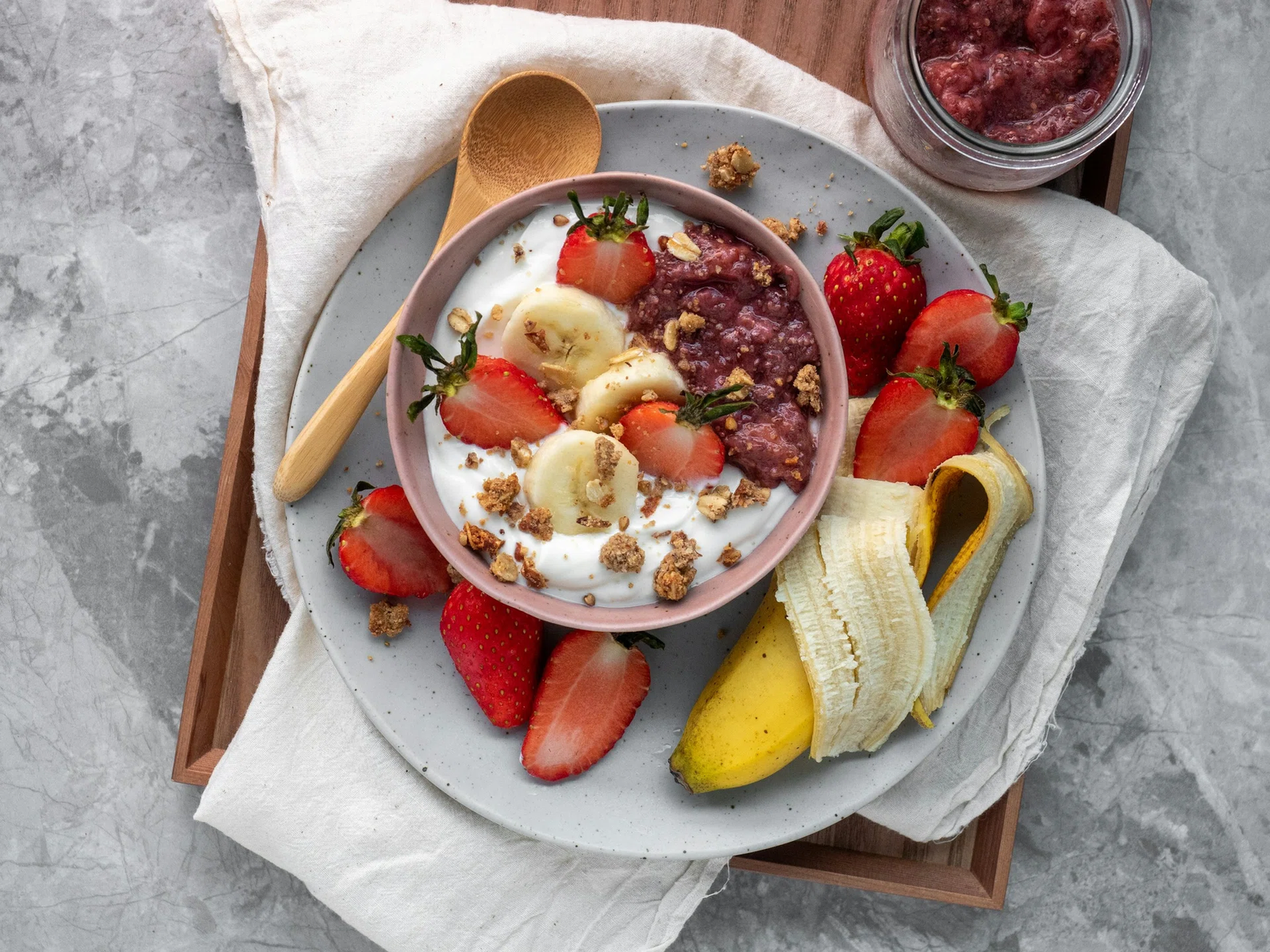
Eating healthy doesn’t have to be complicated. It’s not about strict diets or giving up your favorite foods. Balanced eating means giving your body the nutrients it needs while still enjoying the foods you love.
When you eat balanced meals, you keep your energy steady, your mood positive, and your body functioning at its best. This guide will help you make healthy eating simple, practical, and sustainable.
What Is Balanced Eating?
Balanced eating is about variety and moderation. Your body needs a mix of nutrients to stay healthy, including:
- Carbohydrates for energy
- Proteins to build and repair tissues
- Healthy fats for brain function and hormone production
- Vitamins and minerals for immunity and overall wellness
- Fiber to aid digestion
Think of your plate like a rainbow: a mix of colors from different foods ensures you get a wide range of nutrients.
A simple plate guide:
- Half: fruits and vegetables
- One-quarter: lean proteins like chicken, eggs, fish, beans, or tofu
- One-quarter: whole grains like brown rice, oats, quinoa, or whole wheat bread
- Healthy fats: nuts, seeds, olive oil, or avocado

Benefits of Balanced Eating
Eating a balanced diet regularly has many benefits:
- Steady energy
Eating a combination of protein, fiber, and healthy fats keeps your blood sugar stable and prevents energy crashes. - Better immunity
Vitamins, minerals, and antioxidants from fruits and vegetables help your body fight off illnesses. - Healthy weight management
Balanced meals prevent overeating and keep cravings in check. - Mental well-being
Nutrients like omega-3s and complex carbohydrates improve mood, focus, and brain health. - Better digestion
Fiber from whole grains, fruits, and vegetables supports gut health and regular bowel movements.
Simple Tips for Eating Balanced Every Day

- Focus on whole foods
Fresh fruits, vegetables, whole grains, and lean proteins should make up the majority of your diet. - Watch portions
Use your hand as a guide: palm-sized protein, fist-sized carbs, and two cupped hands of vegetables. - Eat at regular intervals
Skipping meals can cause overeating later. Aim for three main meals and one or two healthy snacks. - Stay hydrated
Water is essential for digestion, metabolism, and energy. Herbal teas or infused water are also good choices. - Add variety
Eating different types of fruits, vegetables, and proteins ensures you get a wide range of nutrients. - Practice mindful eating
Avoid distractions like phones or TV while eating. Pay attention to your hunger and fullness cues. - Plan ahead
Meal prepping or planning your meals for the week helps avoid last-minute unhealthy choices.
Common Mistakes to Avoid
Even with good intentions, some habits can sabotage balanced eating:
- Over-relying on “diet” or packaged foods
- Skipping breakfast frequently
- Eating out too often without controlling portions
- Drinking sugary drinks instead of water
- Ignoring cravings completely, which can lead to binge eating
The key is moderation. It’s okay to enjoy treats occasionally — the focus is on overall balance.
Sample One-Day Balanced Meal Plan
| Meal | Example |
|---|---|
| Breakfast | Oatmeal with berries, nuts, and a drizzle of honey |
| Morning Snack | Apple slices with peanut butter |
| Lunch | Grilled chicken salad with olive oil dressing and whole-grain bread |
| Afternoon Snack | Greek yogurt with seeds or fruit |
| Dinner | Brown rice with sautéed vegetables and tofu or fish |
| Dessert (optional) | Small piece of dark chocolate or a fruit salad |
This gives your body a mix of carbohydrates, protein, fats, and fiber without feeling restrictive.
How to Make Balanced Eating a Habit
- Start small
Make one or two small changes at a time, like adding an extra serving of vegetables to your meals. - Cook at home more often
You can control ingredients, portions, and flavors while experimenting with new recipes. - Listen to your body
Stop eating when you feel full, and enjoy your meals without guilt. - Celebrate progress
Recognize and reward yourself for healthy choices — it helps maintain motivation.
Quick Tips for Busy People
- Batch cook healthy grains or proteins to save time during the week.
- Keep healthy snacks handy, like nuts, yogurt, or fruit.
- Simplify meals with one-pot dishes or salads with protein and veggies.
- Drink water first before snacks to make sure you’re actually hungry.
Even small steps can create a big impact over time.
Eating for balance is about being consistent, not perfect. Focus on variety, moderation, and enjoyment. Over time, balanced eating will improve your energy, health, and overall quality of life.
Start with small changes today and gradually build habits that last a lifetime. Your body will thank you.
Note: This content is for informational purposes only and is not a substitute for professional medical or nutrition advice. Always consult a registered dietitian or healthcare provider for personalized guidance.
#BalancedEating #HealthyLifestyle #WellnessTips #HealthyLiving #NutritionGuide #EatHealthy #HealthyHabits #WellBeing #MindfulEating #DailyNutrition #Anslation #Carrerbook.




Leave a Reply